

The best cruises for first-time cruisers are not necessarily the biggest ships, the shortest sailings, or the cheapest fares. A good first cruise feels easy because the pace, ship, cabin, and ports fit the people taking it. Start with the experience you want to have, then compare the practical details that will shape it.
What Is the Best First Cruise?
For many first-time cruisers, a five-to-seven-night sailing is the most comfortable place to start. It gives you time to settle in, enjoy a few ports, and see whether the ship's pace suits you without making the trip feel rushed.
- Choose the destination first: Caribbean and Bahamas sailings are an easy fit for beach time and shorter travel days, while Alaska and the Mediterranean suit travelers who want scenery, culture, and time ashore.
- Match the ship to your group: Look for the right balance of activity, dining, cabins, and quiet time instead of chasing a universal “best” cruise line.
- Compare the whole trip: Cabin location, travel to the port, sea days, and likely extras can matter as much as the headline fare.
Start With Your Travel Style, Not a Cruise Line Name
It is tempting to begin with a list of cruise lines. That can be useful later, but it is a poor first filter. A first-time cruiser is usually deciding between very different types of vacation: a lively family trip, a relaxed couple's escape, a multigenerational gathering, a food-and-culture itinerary, or a simple way to see several places without changing hotels.
Write down what would make the trip feel successful. Do you want big-deck energy, shows, waterslides, and lots of casual choices? Do you want a quieter ship with more time to read, dine, and look out at the water? Is the destination the star, or do you want the ship itself to be a large part of the vacation? Those answers narrow the field much faster than a generic “best cruise line” list.
Ship size and atmosphere matter because they change your daily experience. Larger ships often bring more dining, entertainment, family activities, and cabin categories. Smaller ships can feel easier to navigate and may focus more on the itinerary or a quieter onboard pace. Neither is automatically better. The best first cruise is the one whose normal day sounds like a good day to you.
Choose the Right First-Cruise Itinerary
For a first sailing, look for an itinerary that gives you enough time to enjoy the ship without making every port day feel like a race. A five-to-seven-night cruise often strikes a practical balance: you have time to learn the ship, try a few meals and activities, and still visit more than one destination. A shorter sailing can be a smart introduction when time is limited, but it can also have a faster, more social rhythm than travelers expect.
Caribbean and Bahamas itineraries are popular first choices because many are easy to reach from Florida ports, offer a mix of beach and town days, and work well across different ages. Alaska can be an excellent choice for travelers who care more about scenery, wildlife, and shore experiences than late-night activity. Mediterranean itineraries reward travelers who are comfortable with longer days, more walking, and a stronger focus on the ports.
The route matters more than the label. Check the actual port times, sea days, transfers to the embarkation port, and what you would realistically like to do in each stop. A sailing with three ports you are excited to explore may be a better match than a busier itinerary that looks impressive but leaves little time to enjoy it.

Match the Ship to the People Going
First-time cruisers often get better results by matching the ship to their group than by looking for a single “best” option. Families may value kid-friendly spaces, flexible dining, cabins that work for more than two people, and enough activities to keep different ages occupied. Couples may care more about adults-only spaces, specialty dining, a spa, live music, or a cabin that gives them a quiet reset after a port day.
Friends planning a celebration may prefer a livelier atmosphere and more casual venues. Multigenerational groups should look closely at walking distances, elevator access, dining reservations, cabin placement, and whether there are things to do together without requiring everyone to enjoy the same activity. Travelers who use mobility devices or need specific accommodations should ask about stateroom features, boarding support, and shore-excursion logistics before a fare is chosen.
Do not assume a ship is “for families” or “for adults” based on one photo. Read the daily activity descriptions, dining options, cabin layouts, and what is actually available on the specific ship and sailing date. The same cruise line can feel very different from ship to ship.
Best First Cruises by Travel Style
The best first cruise is easier to identify when you begin with the kind of vacation you want. A five-to-seven-night sailing is a useful starting point for many travelers, then the ship and itinerary can follow the pace that feels right.
For couples and first-time adult cruisers
Look for a sailing with the right mix of port time, dining, scenic spaces, and private downtime. A Caribbean or Bahamas itinerary can be an easy introduction when beach time and a manageable trip from a Florida port sound appealing. Travelers who care more about sightseeing and days ashore may prefer an itinerary that puts the destination at the center of the trip.
For families taking a first cruise
Prioritize the ship's day-to-day experience. Flexible food choices, cabins that work for the number of people traveling, age-appropriate activities, and a pace that gives everyone some choice can matter more than a long list of ports. A shorter sailing can be a good introduction when schedules are tight, while a five-to-seven-night trip gives families more time to settle in.
For travelers who want a calmer first sailing
Choose the spaces and rhythm you want to return to each day. A ship with comfortable dining, outdoor areas, quieter lounges, and an itinerary that does not make every morning an early departure can be a better fit than a larger ship with more attractions than you plan to use.
For travelers who want to try cruising first
A shorter sailing can be a sensible test when you are unsure about ship life or only have a few days away. Go in knowing that short cruises often have a faster, more social pace. If you want enough time to explore the ship, visit a few ports, and relax without rushing, a five-to-seven-night option usually gives a fuller introduction.
How Couples Can Choose a First Cruise
For couples, the best first cruise is usually the one that leaves room for the version of vacation they want to share. A five-to-seven-night Caribbean sailing can be an easy first choice when you want a mix of beach time, sea days, and a manageable trip from a Florida port. An Alaska or Mediterranean itinerary can be a better fit when scenery, culture, and time ashore matter more than a busy pool deck or late-night schedule.
Look beyond the cabin photos. Ask how much private downtime you want, whether adults-only spaces or specialty dining matter, and whether you would rather spend sea days in lively public areas or have a quieter place to return to together. A balcony can be worthwhile for couples who will use it for coffee, sail-away, or a slow morning; a well-priced ocean-view or interior cabin can be the better choice when you plan to spend most of your time exploring the ship and ports.
Also compare the travel around the sailing. A pre-cruise hotel night, a simple flight schedule, and port times that do not feel rushed can make the trip feel more relaxed from the beginning. When two cruises look similar, choose the one that supports the pace and moments you actually want, not just the lowest headline fare.
Pick a Cabin for How You Actually Travel
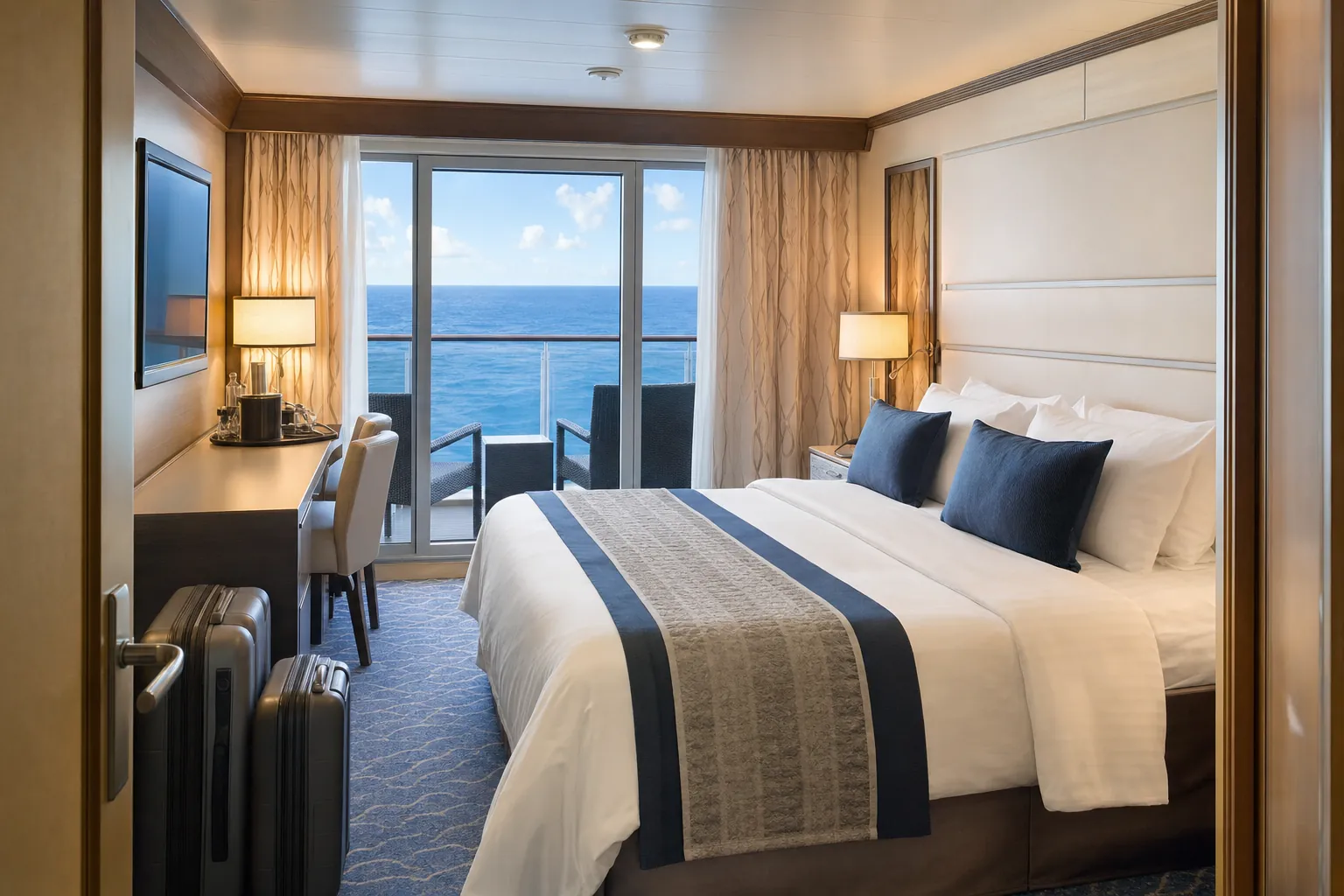
Your cabin is your home base, not the whole vacation. An interior cabin can be a strong value for travelers who expect to be out enjoying the ship or ports most of the day. Ocean-view cabins add natural light without the cost of private outdoor space. Balcony cabins can make the trip feel more restful for people who enjoy coffee outside, fresh air, quiet time, or a place to watch arrivals and sail-aways without competing for deck chairs.
Location is just as important as category. A cabin close to elevators can be convenient, while a room directly below a busy deck or near late-night venues may not suit light sleepers. Midship cabins can feel more stable for some travelers, but the right choice depends on the ship's layout and your priorities. Connecting rooms, accessible cabins, and family cabins are often limited, so they deserve early attention.
When comparing fares, ask what cabin tradeoff you are making. A lower fare may free up room for a better excursion, a hotel near the port, travel protection, or an extra night before the cruise. A balcony may be worth more than an extra onboard package for a couple who values private downtime. There is no prize for choosing the most expensive room or the lowest fare. Choose the version of the trip you will use.
Look Beyond the Headline Fare
A cruise fare is one part of the trip cost. Before you compare two sailings, make a simple list of what is and is not included. Depending on the cruise and fare, you may need to budget for transportation to the port, a pre-cruise hotel, gratuities, specialty dining, beverages, Wi-Fi, shore excursions, travel protection, and purchases in port. You do not need to buy every add-on, but you should know which costs are optional and which are likely for your travel style.
Think of the budget in layers. First, choose a total amount you are comfortable spending. Next, protect the essentials: transportation, cabin, documents, and the few experiences that would make you disappointed to miss. Then decide which extras genuinely add value. This avoids booking a low fare that leaves no room for the parts of the vacation you care about.
Promotions can be helpful, but the best offer is not always the one with the boldest headline. A drink package has more value for someone who will use it. Onboard credit may matter more when you already plan to book an excursion or specialty dinner. A lower deposit can make timing easier but does not automatically make the full trip less expensive. Signature can review current cruise promotions against your dates, cabin needs, and overall trip plan so the offer fits the vacation rather than driving it.
Do Not Skip the Sea-Day Question
Ports get most of the attention when people compare cruises, but sea days reveal whether the ship is actually right for you. On a sea day, you are not racing to meet a tour, getting on a bus, or checking the time before all-aboard. You are spending a full vacation day on the ship. That makes a sea day one of the clearest tests of whether the overall experience fits.
Imagine the version of that day you would enjoy. Some travelers want a full schedule: an early workout, a pool deck, trivia, a show, a casual lunch, a class, and a late dinner. Others want a slow breakfast, a good book, a quiet lounge, a spa appointment, and time on a balcony. Families may want a ship with enough variety that children, teens, and adults can each have a good day without being together every minute. A couple may prefer a smaller number of well-chosen restaurants and spaces where conversation is easy.
Look at the specific ship's deck plans and daily activities rather than relying on a broad cruise-line reputation. Ask about the kinds of places available during the day: pool areas, adult spaces, shaded seating, cafés, lounges, fitness options, games, enrichment programs, and indoor alternatives when the weather is not cooperative. A large ship may offer more options, but it can also require more walking and advance planning. A smaller ship may have fewer venues, but the right ones can be more than enough for a traveler who wants a calmer rhythm.
Sea days also affect the value of a cabin. A traveler who loves a private morning outside may use a balcony far more on a sailing with two sea days than on a port-heavy route where they leave the ship early every morning. Conversely, a traveler who wants to be out on deck or in public spaces may be happier putting that budget toward an excursion or a better flight schedule. The cabin, ship, and itinerary work together; compare them as a package rather than as separate upgrades.
Choose a Booking Window That Leaves You Choices
There is no single calendar date that guarantees the lowest cruise price, but booking earlier usually gives you a better chance of finding the cabin type, location, and travel dates you actually want. That matters most when you are traveling during school breaks, holidays, popular seasons, or with a group. Waiting can sometimes produce an attractive fare, but it can also leave only cabins that do not suit your group or flight times that add stress before the trip begins.
For first-time cruisers, selection is often more valuable than chasing a last-minute discount. A well-located cabin, a manageable drive or flight to the port, and a sailing date that does not force everyone to rush can make the vacation feel much better. If you are flexible, compare a few departure dates or nearby ports. Shifting by one week, choosing a different cabin category, or flying in one day earlier can sometimes improve the overall trip more than a small reduction in the fare.
Before booking, understand the final payment date, deposit rules, cancellation terms, name-change rules, and what happens if you need to alter your plans. These details are not exciting, but they matter. Travel protection is worth a separate, careful conversation because coverage, exclusions, and timing vary. The right choice depends on the total investment, your health and family situation, the type of transportation you are using, and how much financial risk you are comfortable carrying.
It is also smart to compare the complete itinerary around the cruise itself. A late flight into the embarkation city can make a lower cruise fare feel risky. A pre-cruise hotel night may add cost, but it can remove the pressure of same-day travel and give you a more relaxed start. Signature can coordinate flights, hotels, rental cars, and cruise details around the sailing so those pieces support one another instead of becoming separate reservations to manage.
Use This First-Cruise Comparison Checklist
When two sailings both look good, put them side by side and compare the same questions. Start with the travelers. Who is going, what pace do they enjoy, and what would turn a good trip into a frustrating one? Then compare the itinerary: number of ports, sea days, port times, travel time to the embarkation city, and whether the destinations genuinely interest the group.
Next, compare the ship experience. What is included in the fare? What dining, entertainment, quiet spaces, family activities, and cabin options are on the specific ship? How far is the cabin from the places you will use most? Are there mobility, sleeping, or group-layout considerations that deserve attention? Then compare the full budget, including transportation, hotel nights, gratuities, excursions, and the extras that matter to you.
Finally, compare the amount of work each option creates. A cruise should make a multi-stop vacation simpler, not turn into a pile of tabs, confirmation numbers, and deadline reminders. The best choice may cost a little more on paper but save you time, uncertainty, and avoidable compromises. When you can see all of those tradeoffs in one place, the answer is usually much clearer.
- Does the ship's pace match the way your group likes to vacation?
- Would you still enjoy the sea days, not only the port days?
- Is the cabin category and location a practical fit for sleep, space, and mobility?
- Have you allowed for travel to the port, a hotel night if needed, and the true trip budget?
- Are the document and health requirements clear for every traveler and every port?
- Do you have enough time before departure to make choices without settling?
Make Embarkation Day Easier Before You Leave Home
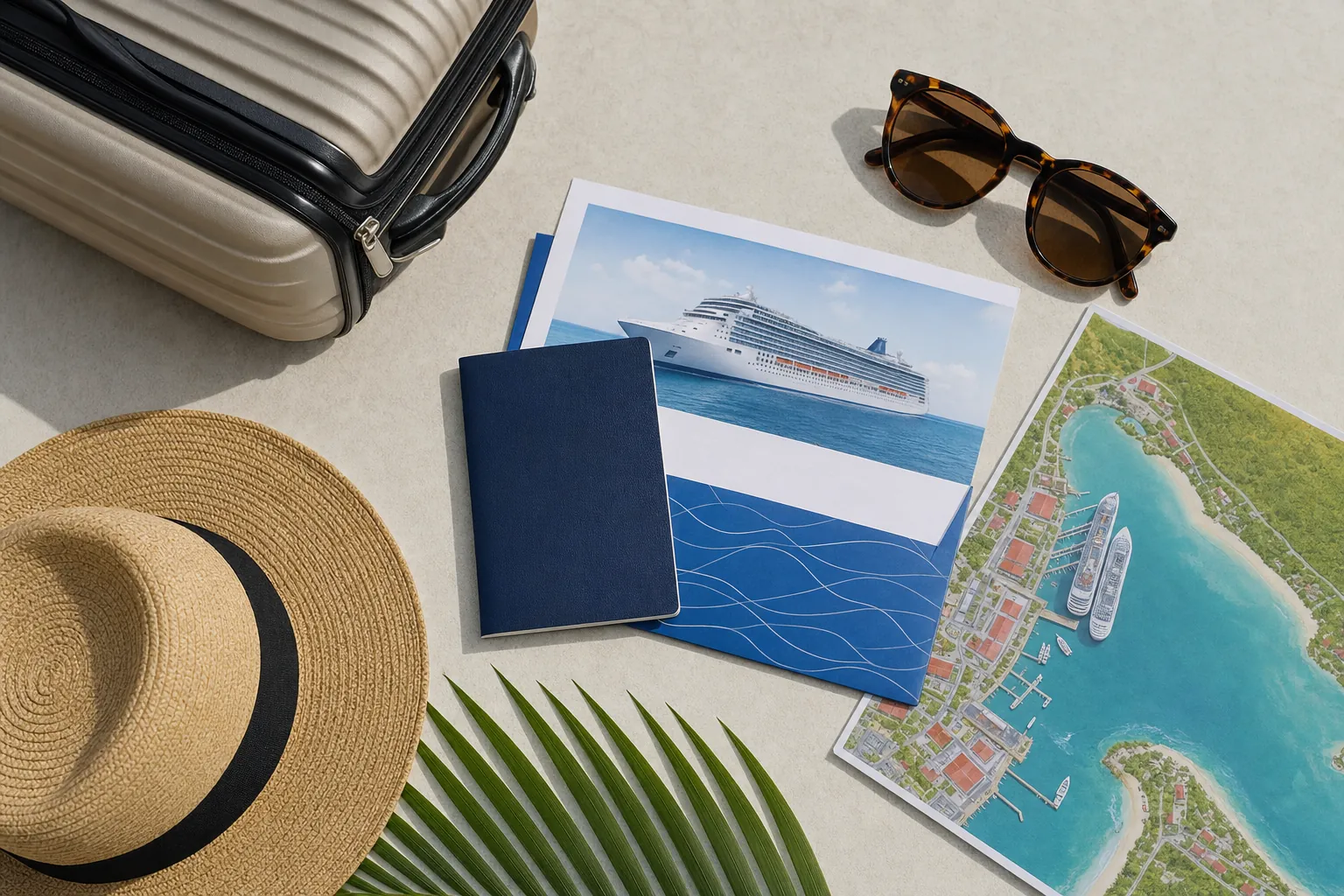
Embarkation day is much smoother when the details are handled in advance. Complete the cruise line's check-in steps when they open, review the allowed luggage and carry-on rules, and keep essential items with you rather than in checked bags. Medication, travel documents, a change of clothes, phone chargers, and anything you need before dinner belong in your carry-on.
Document rules vary by citizenship, itinerary, ports, and cruise line. The U.S. State Department strongly recommends a passport book for cruise travelers, even when a particular itinerary may allow another form of identification, because an emergency could require you to fly home. It also notes that cruise companies and ports can have their own requirements. Check the current rules for every traveler before you pay a deposit, and then check them again before departure.
Health requirements can also change. The CDC advises travelers to check directly with their cruise line for current requirements and to stay up to date on recommended vaccines for their situation. Its cruise travel health guidance is a sensible starting point, especially when your itinerary includes international ports. For individual medical questions, talk with a qualified health professional rather than relying on a general travel checklist.
Plan Port Days With a Little Breathing Room
Port days are where a cruise can become a series of memorable experiences rather than a checklist. Start by deciding whether you want an active excursion, a beach day, a food-and-culture experience, or simply time to walk around and enjoy the port. Not every destination needs a tightly scheduled tour. A slower day can be the best choice after a busy itinerary or when your group has different energy levels.
If you book an independent tour, pay close attention to start time, distance from the pier, cancellation policy, accessibility, and the buffer before the ship's all-aboard time. Ship-sponsored excursions can be reassuring for first-time cruisers because the meeting point and return timing are coordinated through the ship. Independent experiences can offer a different pace or price. The right choice is the one that matches your comfort level and gives you enough margin to enjoy the day.
Keep one or two priorities per port. Trying to see everything can turn an exciting trip into a rush between buses, photos, and watch checks. A good advisor can help you distinguish between the excursions that fit your group and the ones that only sound good in a short description.
What First-Time Cruisers Often Learn Too Late
Small decisions have a big effect on a first sailing. Choose a travel day that leaves room for flight delays if you are not driving to the port. Consider arriving the day before when the schedule is tight. Download the cruise line's app before you sail, but do not assume every activity must be reserved or every hour must be filled. Give yourself time to explore the ship, watch the ocean, and see which places feel like yours.
Read what is included with your fare before you board. Ask about dining times, drink package rules, Wi-Fi, gratuities, attire for special venues, and whether a reservation is needed for the experiences you care about. These are ordinary questions, not fussy details. Getting clear answers ahead of time is how you avoid turning the first day of vacation into a research project.
Most importantly, do not book only for the ship or only for the ports. The best first cruise connects the whole trip: the way you get to the port, the cabin you return to, the pace of the days, the people you are traveling with, and the little choices that reduce friction once you are onboard.
When Two Cruises Both Look Good
This is where many first-time cruisers get stuck. Two sailings may have similar prices, the same general region, and ships that both look appealing. Instead of trying to declare one the universal winner, look for the meaningful difference. One may have better port times, a cabin closer to what you want, fewer travel connections, or a departure date that gives you room to arrive early. Another may have more sea days, a livelier ship, or an itinerary that fits your group better.
Use a short priority list to break the tie. Put your non-negotiables first: a specific school-break date, an accessible cabin, a quiet room location, a family-friendly ship, a short drive to port, or a destination you have wanted to see. Then list the preferences: balcony, specialty dining, a particular excursion, a newer ship, or more onboard activity. A sailing that meets the non-negotiables and most preferences is usually the better choice, even when another option has a slightly lower fare.
It is also worth asking what can go wrong. If a delayed flight would leave no margin, if a cabin is directly below a late-night venue, or if a port day relies on a long transfer you are not excited about, those are real tradeoffs. A good cruise plan does not need to eliminate every uncertainty. It should eliminate the avoidable ones so you can spend your energy looking forward to the trip.
How Signature Land & Sea Travel Helps
Signature Land & Sea Travel plans cruises around the way you want to travel, not a one-size-fits-all recommendation. That can include comparing ships and cabins, aligning flights or a pre-cruise hotel with the sailing, reviewing current offers, and helping you make sense of the details that matter before the deposit is made.
For a first cruise, that support is especially useful because the best choice is rarely obvious from a fare grid. A personal travel quote gives you a practical place to compare options without having to sort through every ship, cabin, transfer, and promotion on your own.
Frequently Asked Questions
What length cruise is best for a first-time cruiser?
A first cruise should be long enough to settle into the rhythm of the ship but short enough to fit your comfort level and schedule. For many travelers, a five-to-seven-night sailing gives time for a few ports, a sea day, and a chance to enjoy the ship without treating the trip like a rushed sampler.
What is the best cruise line for a first-time cruiser?
There is no single best cruise line for every first-time cruiser. The better choice is the ship and sailing that fit your group: a family may want easy dining and plenty to do, while adults or couples may care more about quieter spaces, dining, scenery, or time ashore. Compare the specific ship, cabin, itinerary, and travel days before deciding.
Is a balcony cabin worth it for a first cruise?
A balcony can be worth it when private outdoor space, fresh air, and a quieter place to start or end the day matter to you. If you expect to spend most of the sailing out on the ship or in port, an interior or ocean-view cabin may be the better value. The right answer depends on your travel style, not a universal rule.
Do I need a passport for a closed-loop cruise?
Requirements vary by itinerary, citizenship, cruise line, and ports. The U.S. State Department strongly recommends traveling with a passport book because it can make an emergency flight home much easier. Check the cruise line's current rules and every destination's entry requirements before booking.
Should first-time cruisers book excursions through the ship?
Ship-sponsored excursions can be a comfortable choice for travelers who value a straightforward meeting point and coordinated return timing. Independent tours may offer a different pace or price. Compare the activity, travel time, cancellation terms, accessibility needs, and how much buffer you want before all-aboard time.
What is a good first cruise for couples?
A good first cruise for a couple has the pace, cabin, dining, and onboard spaces they will genuinely enjoy together. A shorter Caribbean sailing can be an easy introduction, while a longer or destination-focused itinerary may suit couples who care more about ports and scenic time at sea.
Related Posts
First Cruise
First Time Cruise Tips: What to Expect Before You Sail
What to expect on your first cruise, from documents and embarkation day to packing, spending, port days, and getting home.
Read the Tips